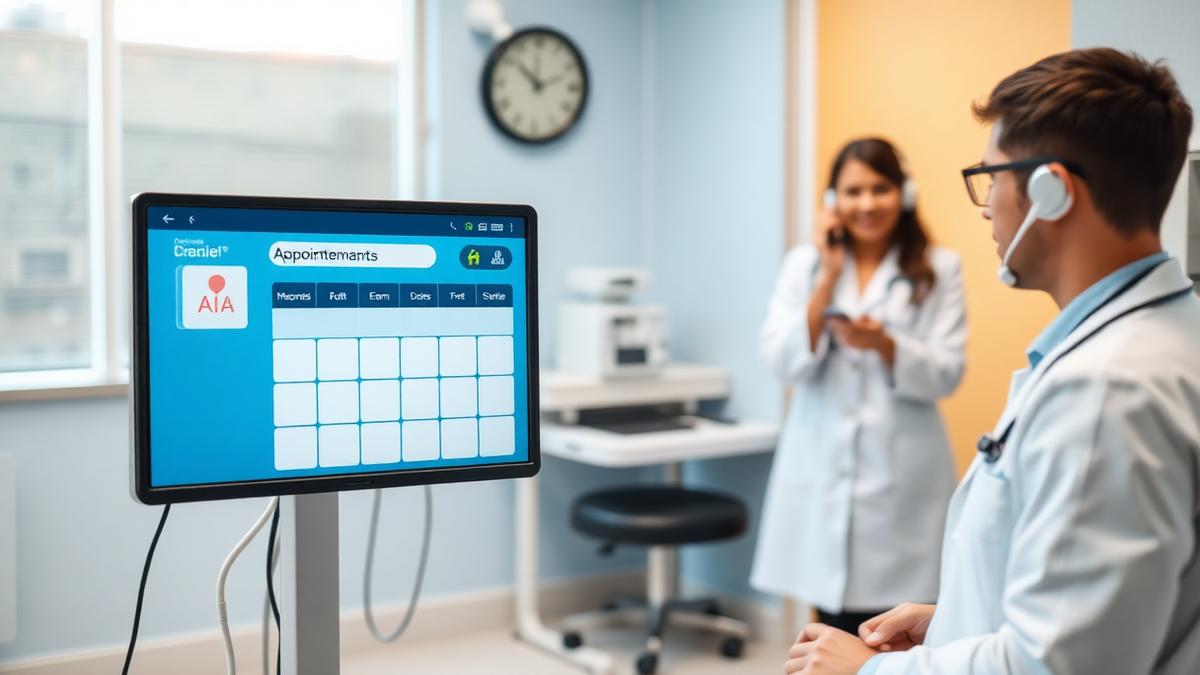

Language-access referral management records a patient's preferred language and communication needs once, uses them in specialist matching and scheduling, provides qualified interpretation and understandable instructions, and preserves that information through the closed loop. Translation is not a final-message task; it is part of every referral decision and handoff.
Language needs affect the whole referral
A translated appointment reminder cannot repair a referral that was routed to a practice unable to communicate with the patient, scheduled through an English-only phone tree, or accompanied by instructions the family cannot understand. Language access has to begin when the referral is created.
The workflow should capture preferred spoken and written language, interpretation need, accessible communication format, and permission for appropriate caregiver involvement. These details should travel with the referral in a way that protects privacy and supports the receiving practice.
Match communication capability with clinical fit
Language concordance can improve the experience, but it should not be treated as the only matching factor. Qualified interpretation may enable access to the clinically appropriate specialist. The system should distinguish bilingual staff, qualified interpreters, translated materials, and unsupported assumptions about language capability.
Coordinators need visibility into which practices can schedule and serve patients in the requested language. Patient choice remains central: explain available options, clinical differences, travel considerations, and interpretation support in understandable language. Carrying these attributes into matching is part of what IdealMATCH evaluates.
Design every touchpoint for comprehension
Outreach should cover why the referral is needed, who will contact the patient, how to schedule, how to prepare, what to bring, how interpretation will be provided, and what to do if symptoms change. Use plain language and teach-back when appropriate rather than translating jargon word for word.
When automated messages are used, translations should be reviewed and governed. Complex clinical questions, consent, and nuanced decisions require qualified human support. The workflow should make it easy to escalate from automation to an interpreter-enabled conversation — a balance covered in how it works.
Measure access by language
Compare contact success, time to appointment, completion, cancellation, rescheduling, and closed-loop rates by preferred language. Review whether interpretation was requested and delivered. Differences are improvement signals, not proof of a single cause, and should be investigated with patient and staff input.
ReferralPoint can carry language preferences into matching, outreach, scheduling, and reporting. This helps health systems and community health centers make language access part of normal operations rather than an exception handled after failure.
Key takeaways
- Capture preferred language and interpretation need at referral creation.
- Verify communication capability instead of assuming it.
- Use plain-language, governed messages and qualified interpretation.
- Segment referral outcomes by language and investigate disparities.
Frequently asked questions
Q: What is language access in referral management? A: It is the integration of preferred-language communication and interpretation support across referral selection, scheduling, preparation, care, and follow-up.
Q: Is a bilingual staff member always a qualified interpreter? A: No. Organizations should follow applicable policies and standards for interpreter qualification and appropriate use.
Q: Should language be used in specialist matching? A: It can be a relevant patient preference and access factor, but clinical appropriateness, urgency, network status, and informed patient choice also matter.
Q: What referral materials should be understandable? A: Scheduling instructions, preparation steps, directions, consent-related information, follow-up instructions, and escalation contacts.
Q: Can automated translation be used? A: It may support routine communication when governed and reviewed, but nuanced clinical communication should have qualified human support.
Q: How should performance be monitored? A: Compare contact, scheduling, completion, cancellation, and closed-loop outcomes by preferred language and interpretation delivery.
Related reading
- Health-literate referral instructions patients can follow
- Discuss multilingual outreach with our team