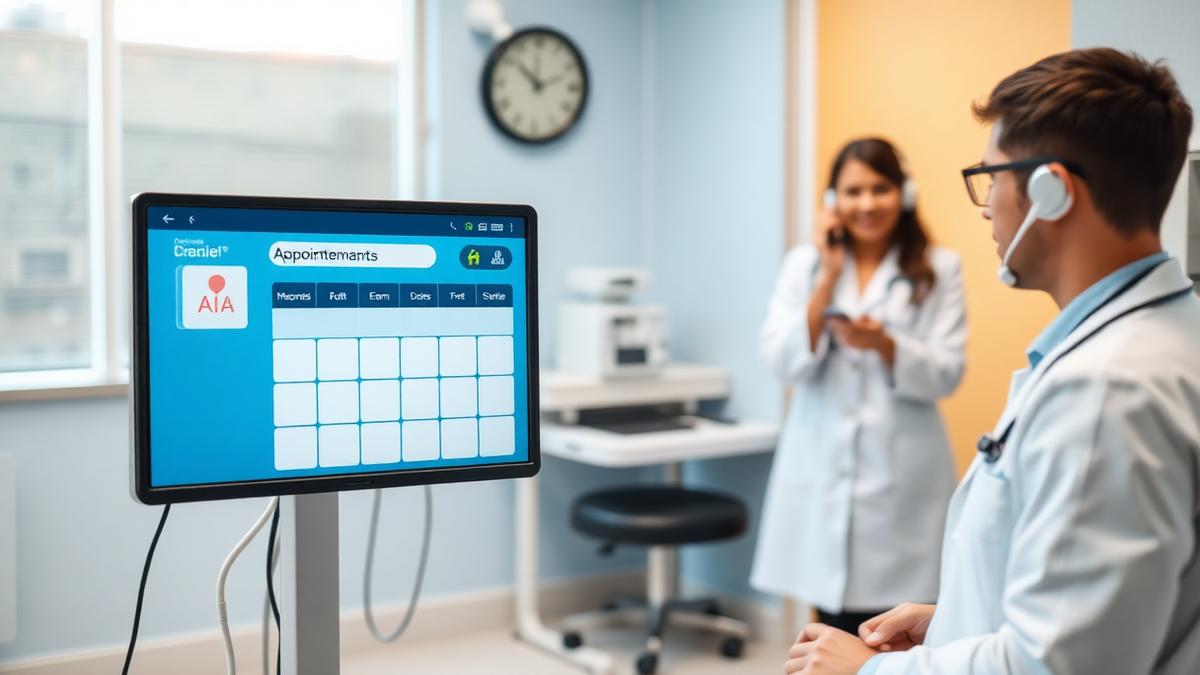
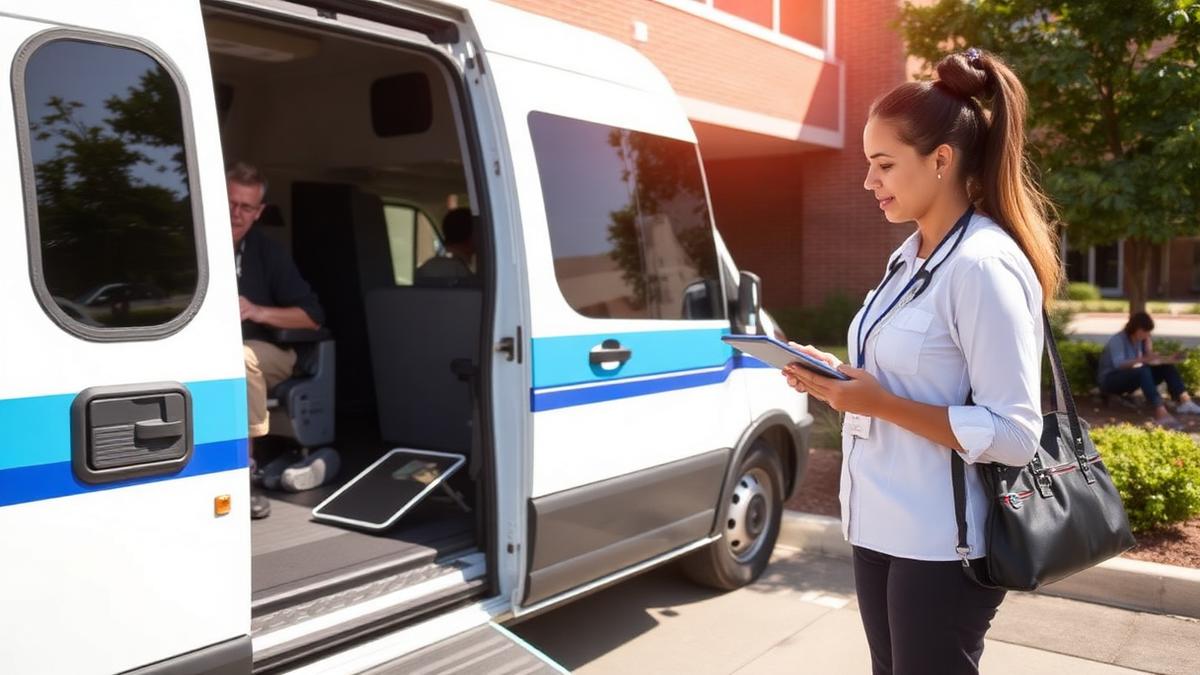
Transportation-aware referral management identifies travel barriers before the referral is finalized and uses them to shape provider choice, appointment modality, timing, and support. Instead of documenting transportation as a social risk after a missed visit, the workflow treats it as an actionable input that can prevent referral abandonment.
Distance is not the same as access
A specialist may be only a few miles away and still be unreachable without a car, reliable transit, accessible transportation, childcare, or time away from work. Rural patients may face long distances, while urban patients may face multiple transfers and unpredictable travel time. A map pin cannot represent the full burden.
Referral intake can ask a small number of practical questions: Is transportation available? Does the patient need wheelchair-accessible service? Are there days or times that are feasible? Is telehealth clinically appropriate and digitally accessible? Does the health plan or community program offer transportation support?
Use the answer to change the referral
When transportation risk is present, the system can prioritize closer providers, transit-accessible locations, telehealth, consolidated appointments, mobile services, or facilities with support resources. It can also prompt earlier outreach so transportation is arranged before the appointment window closes. Matching on real-world feasibility — not just specialty and network — is the point of IdealMATCH.
The process must preserve clinical appropriateness and patient choice. A farther destination may still be necessary for expertise or urgency. The value of the data is not automatic restriction; it is transparent decision support and earlier problem solving.
Connect referral and benefit workflows
Transportation benefits and community resources are often managed separately from clinical referrals. That separation forces patients and coordinators to repeat information. A better workflow records the barrier once, verifies available support, creates the transportation task, and tracks whether it was resolved. Community health centers in particular gain from keeping that work in one queue.
Patient communications should include the address, expected travel plan, arrival instructions, support contact, and rescheduling options. If transportation fails, the referral should enter a recovery queue rather than being labeled a generic no-show.
Measure the barrier and the intervention
Track transportation risk identification, support offered, support accepted, appointment completion, rescheduling recovery, and time to care. Compare outcomes by geography, specialty, modality, and payer. These measures help organizations decide where telehealth, mobile services, network expansion, or benefit partnerships will have the greatest effect.
ReferralPoint can incorporate location, patient preferences, social needs, network data, and outreach into specialist matching and follow-through, inside the privacy model described under integration and security. That makes equity information operational rather than merely descriptive.
Key takeaways
- Screen for transportation feasibility before selecting the destination.
- Use the information to offer realistic options, not to restrict choice.
- Connect transportation support to the same tracked referral workflow.
- Analyze failed transportation as a recoverable cause, not a generic no-show.
Frequently asked questions
Q: What is transportation-aware referral management? A: It is a workflow that considers travel feasibility and support needs when matching, scheduling, and following up on specialty referrals.
Q: Is choosing the closest provider always best? A: No. Clinical fit, urgency, network participation, quality, and patient preference also matter.
Q: Can telehealth solve transportation barriers? A: Sometimes, when clinically appropriate and when the patient has suitable technology, connectivity, privacy, and support.
Q: When should transportation be discussed? A: Before the appointment is finalized, with confirmation again during reminder and preparation outreach.
Q: What should organizations measure? A: Risk identification, support offered, appointment completion, recovery after transportation failure, and time to care.
Q: How does this support value-based care? A: It improves the likelihood that recommended care is completed and helps organizations address a preventable source of delay and fragmentation.