
Quick answer
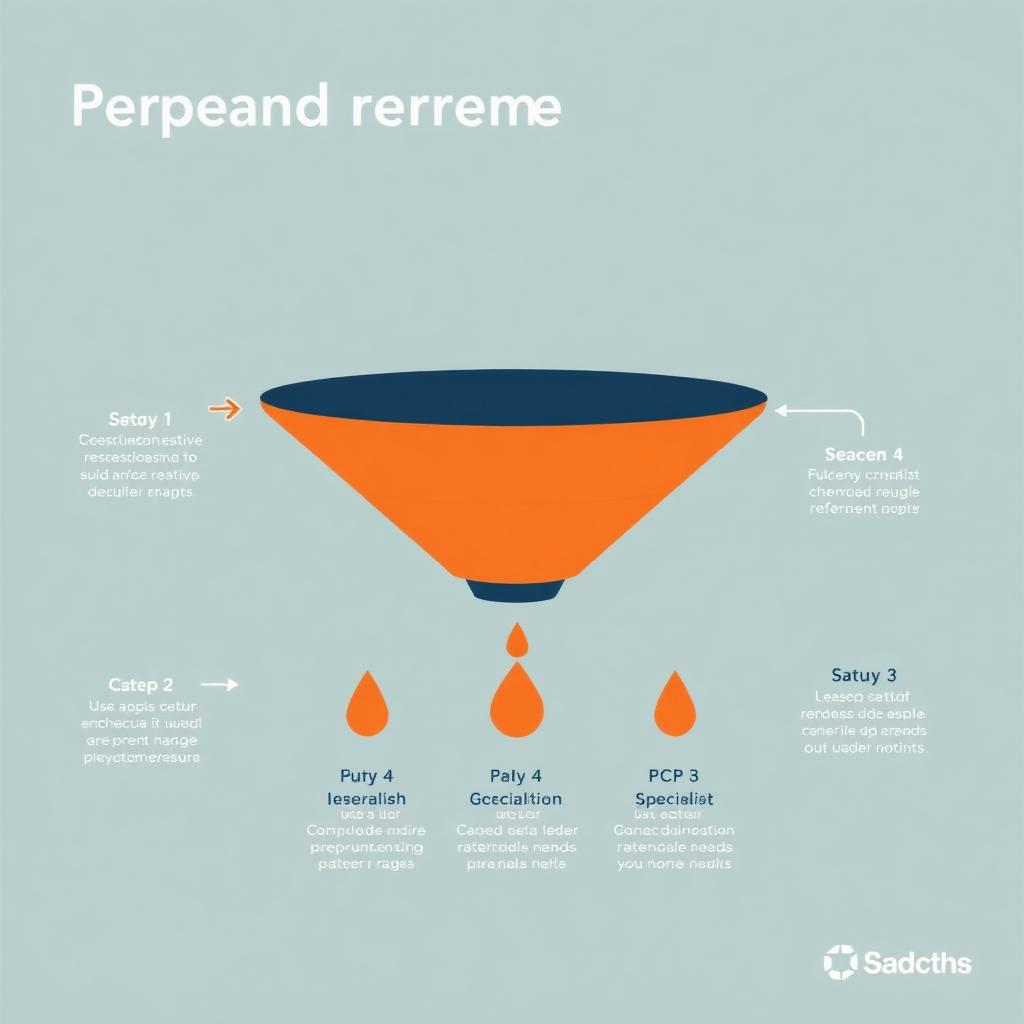
Network integrity is the degree to which patients receive care, especially specialty care, imaging, and procedures, inside the network an organization has built or contracted for. It is measured through keepage, leakage, and in-network utilization by service line. ReferralPoint protects it at the referral order by recommending the best in-network specialist inside the EHR.
Key takeaways
- Network integrity is the outcome; keepage and leakage are the measures.
- It matters to health systems (revenue and continuity), ACOs and medical groups (total cost of care), and payers (cost and quality).
- Erosion usually comes from access gaps, poor referral routing, and inaccurate provider data.
- The referral order is the most controllable moment.
- Patient choice must always be respected; integrity comes from making the in-network option the easy, good one.
How is network integrity different from keepage and leakage?
| Term | What it describes | Typical measure |
|---|---|---|
| Network integrity | The overall health of in-network care delivery | Composite of the measures below |
| Keepage | Share of referrals or services retained in network | In-network completed referrals ÷ all completed referrals |
| Leakage | Share of care that leaves the network | Out-of-network spend or visits ÷ total |
| In-network utilization | Share of services delivered by network providers | Claims-based, by service line |
| Network adequacy | Whether the network has enough providers within time and distance standards | Regulatory and contract measures |
For definitions and formulas, see keepage vs leakage, what referral leakage is, and the referral management glossary.
Why does network integrity erode?
| Cause | Example | Fix |
|---|---|---|
| Access gaps | In-network dermatology wait is weeks; patient goes elsewhere | Capacity data in the match; add slots or partners |
| Routing habits | Clinicians refer to familiar names regardless of network | In-EHR recommendations at the order |
| Inaccurate directories | Referral sent to a provider who left or does not take the plan | Clean provider data; see directory accuracy |
| Authorization friction | Delays push patients to self-refer | Automated prior authorization |
| Slow patient contact | Patient searches online before the office calls | Immediate outreach |
| Downstream decisions | Specialist sends imaging or surgery out of network | Shared expectations with partners |
| Geography | No in-network option near the patient | Network design by ZIP code |
How do you measure network integrity?
- Define the network per contract and payer; version it when it changes.
- Measure referral keepage monthly from referral data, by specialty and clinic.
- Measure claims-based leakage quarterly, by specialty, facility, and destination.
- Track access: time to appointment for in-network specialists.
- Reconcile referral and claims views to find self-referral and downstream leakage.
- Report in dollars as well as percentages so leaders can prioritize.
IntelligentDATA normalizes claims, HIE feeds, and EHR data; Auto 360° VISIBILITY reports keepage, leakage, and time to appointment; NetworkMANAGEMENT maps where patients leave. Our referral leakage guide covers the cost math.
How do referrals protect network integrity?
The referral order is where most specialty journeys start, and the decision often takes seconds. Four steps protect integrity at that moment:
- Recommend the best in-network specialist in the EHR with Auto IdealMATCH, factoring cost, quality, access, language, and transportation.
- Clear authorization fast with Auto PriorAUTH.
- Contact the patient right away with Auto ReferralCOORDINATOR.
- Close the loop so you know where the patient was actually seen.
ReferralPoint deployments show the effect: a health system partner increased keepage 97%, a regional health system reduced referral leakage 75%, and Vanguard Medical Group cut out-of-network referrals from 33% to 8%, per our facts page.
How fast can network integrity improve?
Routing changes at the point of order show up in referral keepage within weeks, because the next referral placed is the one affected. Claims-based leakage moves more slowly, since claims lag by a quarter or more and some leakage comes from self-referral. Set expectations accordingly: report referral keepage monthly as the leading indicator and claims leakage quarterly as the lagging one, and review both with service line leaders.
What about patient choice?
Network integrity programs must respect patient choice and applicable rules. Recommendations should be transparent, and patients can always choose another provider. Our patient choice and steerage compliance guide explains how to design compliant steerage.
What does a network integrity dashboard include?
| Panel | Metric | Cadence |
|---|---|---|
| Overall | Keepage percent and leakage dollars, trailing twelve months | Monthly |
| By specialty | Keepage and leakage for top ten specialties | Monthly |
| By clinic and clinician | In-network referral rate | Monthly |
| Access | Time to appointment for in-network specialists | Monthly |
| Destinations | Top out-of-network providers and facilities by spend | Quarterly |
| Actions | Owners and status for top three gaps | Monthly |
Who owns network integrity?
Network integrity crosses departments, which is why it often has no owner. Common models:
- Health systems: a network integrity or access leader reporting to the CFO or chief strategy officer, working with service line leaders.
- ACOs and medical groups: the value-based care or population health leader, with clinic medical directors accountable for referral patterns.
- Payers: network management and care management teams jointly.
Whoever owns it needs referral data, claims data, and a way to change behavior at the point of order. Our referral governance guide for CINs and health systems outlines governance structures, and Referral Staff Outsource can add coordinator capacity where access, not routing, is the constraint.
Related terms
- Keepage: the share of referrals or services retained in the preferred network.
- Leakage: the share of care, usually measured in claims dollars, that goes outside the network.
- Network adequacy: whether a network has enough providers within required time and distance standards.
- Steerage: guiding a referral toward a preferred provider while preserving patient choice.
- Self-referral: a patient seeing a specialist without a referral order, which referral data alone will not capture.
- Downstream leakage: an in-network specialist sending imaging, surgery, or facility care out of network.
Each term has a fuller definition in the referral management glossary. For a cost model, see the hidden cost of out-of-network referrals for CFOs.
Bottom line
Network integrity is the result of thousands of small referral decisions. Measure it with keepage and leakage, fix access and data gaps, and make the in-network choice the easiest one at the point of order. Request a demo to see how ReferralPoint protects network integrity inside your EHR.
FAQ
Q: What is network integrity in healthcare? A: The degree to which patients receive care inside the provider network an organization has built or contracted for, measured through keepage, leakage, and in-network utilization.
Q: How is network integrity measured? A: By tracking referral keepage, claims-based leakage, in-network utilization by service line, and access metrics such as time to appointment.
Q: What is the difference between network integrity and network adequacy? A: Adequacy asks whether the network has enough providers within required time and distance. Integrity asks whether patients actually use those providers.
Q: What causes poor network integrity? A: Access gaps, referral routing habits, inaccurate provider directories, authorization delays, slow patient contact, and downstream out-of-network decisions.
Q: How can health systems improve network integrity? A: Steer referrals to high-value in-network specialists at the point of order, fix access and data gaps, automate authorization and outreach, and measure keepage by specialty.
Q: Does improving network integrity limit patient choice? A: It should not. Effective programs make in-network options easy and high quality while allowing patients to choose any provider.
Sources and notes
Definitions align with our referral management glossary. Customer outcomes are documented on our sourced metrics page.